
Blog
Blazertje: Meaning, Styles, Fit, and How to Wear One

Published
1 month agoon
By
Kora
You may have seen the word Blazertje in a fashion article, clothing listing, or social media post and wondered whether it describes a new type of jacket. At first glance, it sounds like a special fashion trend, but its meaning is much simpler.
Blazertje is a Dutch word related to the familiar blazer. It can roughly be translated as “little blazer,” although that does not mean the jacket must actually be small or cropped.
Understanding this difference is useful when you are shopping online or reading fashion advice. In this guide, you will learn what Blazertje means, where the term comes from, common blazer styles and fabrics, how to choose the right fit, and simple ways to wear one.
What Is a Blazertje?
A Blazertje is essentially a blazer described using the Dutch diminutive form of the word. In Dutch, the ending “-tje” can make a noun sound smaller, softer, or more informal. Therefore, a simple English interpretation of blazertje is “little blazer.”
However, you should not assume that every Blazertje is physically small. It can be cropped, long, fitted, oversized, structured, or relaxed.
Some English-language fashion content uses Blazertje to describe lightweight or casual blazer styles. While a softer blazer can certainly be called a Blazertje, lightweight construction is not a fixed requirement of the Dutch word.
For you as a shopper, the important details are the actual fabric, cut, length, lining, shoulders, and fit, rather than the name alone.
Background and Origin of Blazertje
The meaning becomes clearer when you look at the Dutch language. The base word is blazer, while “-tje” is a common diminutive ending. Diminutives do more than indicate physical size in Dutch; they can also give words a more familiar or informal quality.
That explains why translating Blazertje only as “small blazer” can be misleading. Someone using the word casually may simply be talking about a blazer without defining a separate clothing category.
More recently, the term has appeared in fashion-related content outside Dutch-speaking contexts. Some writers associate it with relaxed tailoring, cropped jackets, lighter materials, or casual styling. Those descriptions can represent particular blazer designs, but Blazertje itself does not establish one standard cut or construction.
Common Blazertje Styles
Since Blazertje does not describe one fixed design, you can find many different blazer shapes under the broader idea. Common styles include:
- Single-breasted: Has one main row of buttons and offers a simple, versatile appearance.
- Double-breasted: Uses an overlapping front and usually two visible button rows for a stronger, more structured look.
- Cropped: Ends around the waist or upper hip and works particularly well with high-waisted clothing.
- Fitted: Follows the shape of your body more closely for a neat, tailored appearance.
- Relaxed: Gives you more room through the body and often feels less formal.
- Oversized: Intentionally uses wider or longer proportions to create a loose silhouette.
- Longline: Extends farther below the hips and creates a longer visual shape.
These differences matter more than the word on the product page. Two jackets described as Blazertjes could have completely different fits.
How Does a Blazertje Work in Your Wardrobe?
Think of a Blazertje as a layer that can change how formal an outfit feels. Put a blazer over a plain T-shirt and jeans, for example, and a very casual combination immediately looks a little more polished.
Change the jeans to tailored trousers and the same jacket may work for a business-casual environment. Wear it over a simple dress, and you have another outfit without needing a completely different wardrobe.
Fabric and construction also affect how this works. Soft cotton or linen can create a relaxed appearance, while wool, sharper shoulders, or a double-breasted front may look more formal.
That flexibility is one reason blazers remain useful wardrobe pieces. You can adjust the overall effect through the clothes and shoes you wear with them.
How to Choose and Wear a Blazertje
You do not need complicated fashion rules to choose a Blazertje. Focus on how, where, and when you will actually wear it.
- Choose your purpose. Decide whether you need the jacket mainly for work, everyday outfits, evenings, or special occasions. This will help you choose between relaxed and more structured designs.
- Check the shoulders. With a traditionally fitted blazer, the shoulder area should sit comfortably without strong pulling. Remember that oversized designs may intentionally extend beyond your natural shoulder.
- Test your movement. Move your arms, sit down, and reach forward. A good fit should allow normal movement without uncomfortable tension.
- Pick a practical fabric. Linen and lighter cotton can suit warm conditions, while wool and heavier blends are more useful in cooler weather. Always check the garment’s actual composition.
- Match your existing wardrobe. Neutral shades such as navy, black, grey, beige, and brown are generally easy to combine. A brighter color can work if you already own clothing that complements it.
- Build a simple outfit. Try jeans and sneakers for casual wear or trousers and loafers for a smarter look. Dresses and skirts also pair naturally with many blazer styles.
Main Benefits of Wearing a Blazertje
Easy to Dress Up or Down
One major advantage is flexibility. You can wear the same blazer with casual denim one day and smarter trousers another day.
For example, a neutral single-breasted Blazertje over a T-shirt can work for lunch or shopping. Changing the T-shirt to a shirt and the jeans to tailored trousers creates a noticeably smarter outfit.
Useful for Layering
A blazer gives you another layer without always requiring heavy outerwear. Depending on its cut, you can wear it over a shirt, blouse, T-shirt, fine-knit jumper, or turtleneck.
The fabric should match the season. A lightweight linen jacket and a thicker wool blazer may serve similar styling purposes but feel completely different in warm or cold conditions.
Available in Many Fits
You are not limited to traditional fitted tailoring. Cropped, relaxed, oversized, single-breasted, double-breasted, and longline designs give you plenty of choices.
This variety lets you focus on your own comfort and preferred silhouette instead of trying to make one blazer shape work for everyone.
Works With Many Existing Clothes
You may not need a completely new outfit to wear a Blazertje. Jeans, plain tops, trousers, skirts, and dresses can all work with the right design.
That makes a versatile blazer particularly useful when its color and proportions complement clothes you already wear regularly.
Things to Consider Before Buying a Blazertje
Do not choose a jacket based only on the Blazertje label. Because the term does not guarantee a particular construction, examine the product description and measurements carefully.
Pay special attention to shoulder width, chest measurements, sleeve length, total jacket length, fabric, lining, and care instructions. Online sizing can vary between manufacturers, so actual measurements are more useful than relying entirely on labels such as small or medium.
Climate matters too. Linen may be comfortable in warm weather but can wrinkle easily. Wool can provide more warmth but may require more careful cleaning. A very structured jacket may also feel less comfortable if your main goal is relaxed everyday wear.
Finally, consider the dress code. A casual Blazertje can work well for many smart-casual situations, but it does not automatically replace a matching suit or formal jacket when an event requires more formal clothing.
Blazertje vs Blazer vs Suit Jacket
The difference between a Blazertje and a blazer is primarily linguistic. Blazertje is a Dutch diminutive based on the word blazer. It should not automatically be treated as a separate international garment category.
A blazer is normally a separate jacket that you can combine with different trousers, skirts, jeans, or dresses. It can range from relaxed to highly structured.
A suit jacket, by comparison, is designed as part of a matching suit. Its matching trousers or skirt normally use the same fabric. If you need formal business clothing or an outfit for an event with a specific suit dress code, a suit may therefore be the better choice.
For casual and business-casual wardrobes, a standalone blazer often provides greater mixing and matching flexibility.
Final Thoughts
Blazertje sounds like an unusual fashion term, but its basic meaning is straightforward. It is the Dutch diminutive of blazer and can loosely be understood as “little blazer.” It does not define one specific jacket size, fabric, fit, or style.
If you want to buy one, focus on what you can actually see and verify: its measurements, fabric, construction, length, fit, care requirements, and intended use. Choose a design that works with several items you already own, and you will have far more styling options.
FAQs
Is a Blazertje suitable for everyday wear?
Yes, depending on the particular blazer. A relaxed or lightweight design can work well with jeans, T-shirts, trousers, skirts, and dresses. More structured versions may suit work or smarter occasions better. Choose the fabric and fit according to where you expect to wear it most often.
How much does a Blazertje cost?
There is no standard price for a Blazertje because the word does not represent one particular brand or product. Prices can vary according to the manufacturer, fabric, construction, retailer, and design. Compare the actual garment quality, measurements, materials, care requirements, and return policy rather than choosing by name alone.
Is a Blazertje easy to style?
Usually, yes. A simple neutral blazer can be combined with many common wardrobe pieces. For an easy casual outfit, try one with a plain top, jeans, and sneakers. For something smarter, switch to a shirt or blouse, tailored trousers, and loafers or other suitable dress shoes.
Are all Blazertjes lightweight and comfortable?
No. Although some fashion articles associate Blazertje with lightweight or relaxed tailoring, that is not a requirement of the word. A Blazertje may be soft and unstructured, but it could also be fitted or structured. Always check the fabric, lining, measurements, and construction before buying.
Can you wear a Blazertje to work?
A Blazertje can be suitable for many business-casual workplaces. Try combining a clean, well-fitting design with trousers, a skirt, shirt, blouse, or fine-knit top. However, workplace dress codes vary. If your employer requires formal business attire or a matching suit, a casual blazer may not be appropriate.
Blog
Konversky: Meaning, Claimed Features, Uses, and Limitations
Published
1 month agoon
September 12, 2026By
Kora
If you search for Konversky, you may quickly run into a problem: different websites describe it in different ways. One page may call it an AI communication platform, while another connects it with marketing, automation, teamwork, or digital collaboration.
That makes Konversky harder to explain than an established product such as Slack or HubSpot. The safest approach is to separate reported claims from details that can actually be confirmed. In this guide, you will learn what Konversky currently means online, what features are commonly associated with it, how the claimed concept could work, and what you should check before using any service carrying the name.
What Is Konversky?
Konversky is an emerging online term commonly connected with artificial intelligence, digital communication, customer engagement, automation, and collaboration. However, it does not currently have one widely accepted technical definition.
Some online sources describe Konversky as an AI-based communication platform for businesses. In that version, it may help organize customer messages, automate routine replies, study interactions, and support marketing or customer service.
Other sources describe it more like a workplace collaboration system. These descriptions mention messaging, file sharing, project coordination, task management, and online meetings.
Because these explanations do not always match, you should not assume every reference to Konversky describes the same product. It is better to think of it as a loosely defined digital term until a specific service, developer, or platform can be clearly identified.
Why Is Konversky Becoming Popular?
Part of the interest comes from the growing demand for tools that combine communication and automation. Businesses often use separate systems for email, customer support, marketing, sales, and internal collaboration, so the idea of bringing several functions together is attractive.
The name also appears in articles discussing conversational technology. This usually means software designed to understand what a person is asking and then respond, recommend an action, or route the request to the right place.
However, repeated online mentions do not prove that one established Konversky platform provides all the features described. Unusual digital terms can gain search attention before their meaning becomes settled, especially when different publishers interpret the same name in different ways.
For that reason, interest in Konversky should be separated from proof about any specific software product.
Main Features Commonly Linked to Konversky
Several capabilities appear repeatedly in descriptions of Konversky. These should be treated as reported or claimed features, not guaranteed product specifications.
- AI-assisted communication: Some descriptions say AI can help understand questions, suggest replies, or organize conversations.
- Omnichannel messaging: Konversky is sometimes said to bring email, chat, social media, SMS, and other messages into one place.
- Customer automation: Reported uses include automatic responses, message routing, follow-ups, and task assignment.
- Behavioral insights: Some articles claim the system can study how customers interact with messages or services.
- Personalization: Communication may supposedly be adjusted based on previous interactions, interests, or customer history.
- Team collaboration: Other descriptions add internal messaging, file sharing, task management, and project coordination.
- Analytics: Konversky is sometimes linked with reporting that helps teams understand response patterns and communication performance.
These functions already exist in established software categories. The uncertainty is whether one verified Konversky product currently combines them in the way some articles suggest.
How Konversky Is Supposed to Work
The claimed Konversky concept is easiest to understand through a simple customer-service example.
Imagine that an online store receives questions through email, website chat, and social media. Instead of employees checking each channel separately, a communication platform could collect those messages in one place.
The system might then analyze each message to understand its purpose. A question about delivery could be grouped separately from a refund request, product question, or technical issue.
Next, the message could be routed to an automated reply or the right human employee. A simple question might receive a suggested answer, while a complaint could be passed directly to a support agent.
Some descriptions also claim that interaction data can later be used to improve future communication. This general workflow is realistic for modern customer-engagement software, but it should not be treated as confirmed Konversky architecture without official documentation.
How to Use a Konversky Service Safely
If you find a website or service using the Konversky name, check it carefully before treating it as established software.
- Confirm the exact website. Check the domain spelling because similar names may belong to completely different services.
- Identify the operator. Look for a legal company name, contact details, development team, or other information showing who runs the service.
- Review the actual product. Check whether there is a working dashboard, signup system, demonstration, help center, or technical documentation.
- Read the privacy policy. Find out what information is collected, where it may be stored, and whether third parties receive it.
- Check pricing before paying. Avoid relying on plan names or prices mentioned only on unrelated blogs.
- Test low-risk tasks first. If the service is available, start with ordinary questions or non-sensitive information instead of customer records or confidential documents.
- Keep human oversight. Do not automatically trust AI-generated replies when accuracy, privacy, money, or customer relationships are involved.
Main Benefits of the Konversky Concept
Faster Communication
A centralized communication system could help teams respond faster by reducing the time spent moving between different tools.
For example, if email and chat requests appeared in one inbox, an employee could handle them without constantly switching applications. Automation could also handle basic questions while humans focus on more complicated cases.
More Consistent Customer Support
Businesses can struggle when several employees give different answers to the same question. A structured system can make approved information easier to reuse.
This could be useful for common questions about delivery, returns, appointments, product details, or account support. Consistency matters because customers should not receive conflicting answers depending on who replies.
Better Organization
Communication can become difficult to manage as a company grows. Messages may be spread across email accounts, social platforms, chat systems, and internal tools.
A unified system could make conversations easier to track. It could also help staff identify which team owns a request and whether someone has already responded.
Useful Communication Insights
Customer conversations can reveal problems that normal website statistics may miss.
If many people repeatedly ask the same question, the business may have unclear instructions, confusing pricing, weak onboarding, or missing product information. Reviewing conversation patterns can therefore help improve more than customer support.
Possible Limitations and Things to Consider
The biggest limitation surrounding Konversky is uncertainty. There is not enough clear public information to assume that all features mentioned online belong to one verified platform.
Pricing is another concern. Reported plan names or service levels should not be treated as official unless they appear on a verified provider page with clear terms.
Privacy also deserves attention. A communication platform may process names, contact information, purchase details, internal messages, or customer complaints. You should know how that data is handled before uploading anything sensitive.
Security claims such as encryption, regulatory compliance, or protected storage also require evidence. A website describing itself as secure is not the same as providing technical documentation, independent audits, or clear data policies.
Finally, automation can produce mistakes. AI-assisted communication should not replace human judgment when a conversation involves complaints, financial decisions, legal issues, health information, or other sensitive situations.
Konversky Compared With Alternatives
The most suitable alternative depends on what you actually need.
Slack focuses mainly on workplace messaging, channels, file sharing, and internal collaboration. It may suit teams that primarily want organized communication between employees.
Microsoft Teams combines chat, meetings, calls, files, and close integration with Microsoft 365. Businesses already using Outlook, Word, Excel, and OneDrive may prefer this ecosystem.
Google Workspace provides Gmail, Docs, Drive, Meet, Calendar, and other collaboration tools. It is useful for shared documents and everyday productivity rather than acting as a full customer-engagement platform.
HubSpot is closer to the customer-management side of the claims associated with Konversky. It combines CRM, sales, marketing, customer service, and automation tools with established documentation.
Salesforce is another mature choice for companies needing CRM, sales processes, customer information, support workflows, and extensive customization.
The main difference is verification. These established services have identifiable companies, documented products, support resources, and clearer pricing or plan information. Konversky currently requires more careful checking because its online identity remains less clear.
Final Thoughts
Konversky is best understood as an emerging and ambiguous digital term linked with AI, communication, automation, marketing, and collaboration. Some sources describe a powerful communication platform, but many important details about the product identity and its exact capabilities remain uncertain.
The general idea behind it is easy to understand. Businesses want communication systems that can organize messages, automate simple tasks, personalize useful responses, and help staff work more efficiently.
If you are considering a Konversky service, start by verifying the exact provider. Check its website, ownership, product access, privacy terms, security information, pricing, and documentation before sharing business data or making a payment.
FAQs
Is Konversky suitable for small businesses?
It could be relevant if a real Konversky service provides the communication and automation tools described online. Small businesses often benefit from reducing repetitive support work. However, you should first verify the exact product, price, integrations, privacy practices, and support options rather than relying on general descriptions.
Is Konversky free to use?
There is no dependable, universally verified Konversky pricing structure based on the information available in the supplied material. Some articles mention possible plans, but that does not confirm official pricing. Check the specific provider directly for current costs, trials, limits, and cancellation terms.
Is Konversky easy to use?
That cannot be confirmed without a clearly verified product interface or working demonstration. In general, communication platforms are easier to use when they offer a clear dashboard, simple integrations, searchable documentation, and straightforward setup. Test a real service before judging its ease of use.
Is Konversky safe?
There is not enough verified information to give Konversky a definite safety rating. Before using any service with the name, review who operates it, its privacy policy, data storage practices, permissions, security documentation, and account-deletion process. Avoid uploading sensitive information until those details are clear.
What can Konversky be used for?
Online descriptions connect Konversky with customer support, AI-assisted replies, marketing, communication analytics, workflow automation, sales follow-ups, and team collaboration. These are commonly reported uses rather than confirmed features of one universally established platform, so always verify the specific service you are considering.
Blog
Rodwajlery: Rottweiler Breed Guide to Care, Training, Health, and Temperament
Published
1 month agoon
September 12, 2026By
Kora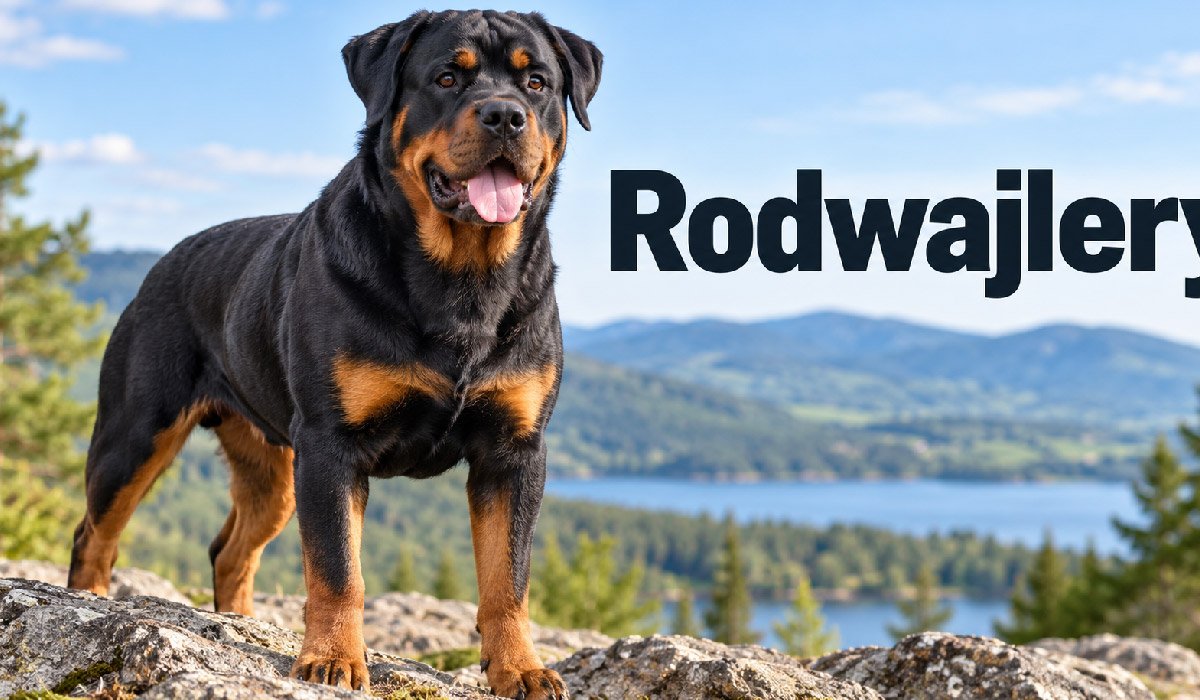
You may have seen the word Rodwajlery online and wondered whether it describes a special dog breed. In most cases, it is simply a nonstandard spelling used for the Rottweiler, the well-known German working dog. It does not represent a separate officially recognized breed.
Rottweilers are known for their strength, confidence, intelligence, and close bond with their families. They can be excellent companions, but their size and protective nature also mean they need responsible handling.
This guide explains what Rodwajlery means, where Rottweilers came from, how they behave, what care they need, and what you should consider before bringing one into your home.
What Is Rodwajlery?
Rodwajlery is a term sometimes used online when people are referring to the Rottweiler dog breed. Rottweiler is the recognized breed name used by major canine organizations, while Rodwajlery should be treated as an alternative or informal spelling rather than a different breed.
If you search for Rodwajlery puppies, training, health, or temperament, standard Rottweiler information is generally what you need.
The breed is useful for people who want an intelligent, powerful dog that enjoys training and close interaction with its family. Rottweilers have historically performed demanding jobs, and many still enjoy structured activities today.
Think of Rodwajlery and Rottweiler as two labels pointing to the same dog rather than two different types of dogs.
History and Origin of Rodwajlery
The Rottweiler has a long history as a working breed. Its ancestry is often linked with dogs used during the Roman era to move and protect livestock while people travelled across Europe.
Over time, working dogs became closely associated with the German town of Rottweil. There they were used to drive cattle, guard property, protect traders, and perform other practical jobs.
The breed became known historically as the Rottweiler Metzgerhund, meaning the butcher’s dog of Rottweil. Butchers and livestock traders valued these dogs for their strength and dependable working ability.
As transportation changed, cattle-driving work became less common. Rottweilers later found roles in police work, security, obedience, tracking, rescue activities, and family companionship.
Their working history helps explain why modern Rottweilers are usually alert, intelligent, physically strong, and happiest when they have regular activity and guidance.
Main Characteristics of Rodwajlery
Rottweilers are medium-to-large dogs with a muscular, balanced appearance. Their bodies reflect the breed’s history of physically demanding work.
Important characteristics include:
- Size: Males are generally larger than females, with adult males commonly standing about 24–27 inches tall and females around 22–25 inches.
- Weight: Adult males commonly weigh about 95–135 pounds, while females are often around 80–100 pounds.
- Coat: The coat is short and dense, usually black with clearly defined rust, tan, or mahogany markings.
- Build: Rottweilers have broad chests, powerful legs, strong necks, and solid muscular frames.
- Temperament: A well-raised dog is typically confident, watchful, loyal, and closely attached to its family.
Size alone should never be treated as a sign of quality. Healthy movement, stable behavior, proper body condition, and sound breeding are more important than producing an unusually large dog.
How Rodwajlery Behavior Works
Rottweilers are naturally observant. Instead of immediately reacting to every new person or sound, a stable dog will often watch the situation before deciding how to respond.
Their protective instinct comes from generations of working and guarding roles. That instinct can be useful, but it must be guided through training and socialization.
For example, imagine a visitor arriving at your home. A properly socialized Rottweiler may notice the stranger, remain alert, and look to you for direction. A poorly socialized dog may become fearful or overly reactive.
This is why genetics, early experiences, training, health, and your daily handling all matter. Rottweilers are not automatically aggressive, but their physical strength means poor behavior can be harder to manage than it would be in a smaller breed.
How to Raise and Care for Rodwajlery
- Start training early. Teach simple commands such as sit, stay, come, leave it, and calm leash walking while your dog is still young.
- Socialize your puppy gradually. Introduce different people, safe dogs, household sounds, surfaces, places, and normal daily situations without overwhelming the puppy.
- Use reward-based training. Praise, treats, toys, and play can reinforce good behavior. Avoid harsh punishment, which may create fear and damage trust.
- Provide daily exercise. Walks, controlled play, scent games, obedience sessions, and other activities help keep an adult Rottweiler physically and mentally active.
- Feed for healthy body condition. Choose suitable food for your dog’s life stage and avoid overfeeding. Large-breed puppies should grow steadily rather than as quickly as possible.
- Maintain basic grooming. Brush the short coat regularly, trim nails when necessary, clean the teeth, and check the ears for irritation or unusual odor.
- Schedule veterinary care. Routine examinations, vaccinations, parasite prevention, dental care, and attention to unusual symptoms support long-term health.
Main Benefits of Owning Rodwajlery
Strong Family Loyalty
Many Rottweilers develop a very close bond with the people they live with. They often enjoy being involved in everyday family activities rather than spending most of their time alone.
This can make them rewarding companions for owners who want an interactive dog and are willing to provide regular attention.
High Intelligence
Rottweilers can learn commands and routines quickly when training is clear and consistent. Their intelligence is one reason the breed has been used in many working roles.
You can use this ability in everyday life through obedience practice, scent games, tracking activities, or puzzle toys.
Natural Watchfulness
A Rottweiler is usually aware of changes in its environment. This natural alertness can make the breed a capable watchdog without needing to encourage aggression.
Good control is essential. The goal should be a dog that notices unusual activity but still responds to your commands.
Versatile Working Ability
Historically, Rottweilers have been used for cattle work, guarding, cart pulling, police duties, tracking, and other demanding tasks.
Modern owners can channel that working drive into structured training, dog sports, scent work, or other mentally engaging activities.
Possible Limitations and Things to Consider
A Rodwajlery is not the easiest choice for every household. The breed’s size and strength mean you need to take training seriously from an early age.
Rottweilers also need regular exercise and mental stimulation. A dog that receives little activity may become bored and develop unwanted habits such as chewing, excessive barking, or destructive behavior.
Health is another consideration. Conditions reported in the breed include hip and elbow dysplasia, some heart problems, inherited neurological disorders such as JLPP, certain eye conditions, cancer, and gastric dilatation-volvulus, commonly called bloat.
Bloat is an emergency. A swollen abdomen, repeated unsuccessful attempts to vomit, severe restlessness, or sudden weakness requires urgent veterinary attention.
You should also check local housing, insurance, licensing, or breed-related rules before getting a Rottweiler because regulations differ by location.
Rodwajlery Compared With Other Family Dogs
Compared with smaller companion breeds, Rottweilers usually require more physical control, structured training, and exercise. Their strength means mistakes in handling can have greater consequences.
Compared with other large working breeds, Rottweilers share qualities such as intelligence, loyalty, alertness, and the need for regular mental activity. However, individual temperament matters more than simply comparing breed labels.
A smaller or more relaxed breed may suit you better if you want a dog that requires less structured training. A Rottweiler may be a better fit if you want an active, trainable companion and are comfortable managing a strong working dog.
You should choose based on your lifestyle, experience, time, housing, and ability to meet the dog’s needs rather than appearance alone.
Final Thoughts
Rodwajlery is generally another online spelling for the Rottweiler, not a separate recognized dog breed. The Rottweiler is a strong, intelligent, loyal working dog with a long history of cattle work, guarding, and other practical roles.
With early socialization, consistent training, suitable exercise, healthy feeding, and regular veterinary care, these dogs can become dependable family companions. Their strength and protective nature, however, mean ownership requires planning and responsibility.
Before getting a Rodwajlery, speak with responsible breeders or reputable rescue organizations, learn about health testing, and make sure you have enough time for training and daily interaction.
FAQs
Is Rodwajlery suitable for a first-time dog owner?
It can be, but the breed may be challenging for someone without dog-handling experience. Rottweilers are large, strong, and need consistent training and socialization. A committed first-time owner who is prepared to learn and seek professional training help may still manage the breed successfully.
How much does Rodwajlery cost?
There is no single reliable price because costs vary by country, breeder, health testing, pedigree, rescue organization, and veterinary care. Instead of choosing the cheapest puppy, focus on responsible breeding, health records, temperament, and living conditions. Adoption fees also vary between shelters and rescue groups.
Is Rodwajlery easy to train?
Rottweilers are intelligent and can learn quickly, but successful training requires consistency. Short reward-based sessions usually work well. Start with basic obedience and leash manners while the dog is young, then continue training as it grows. Their intelligence means they also benefit from mental challenges.
Is Rodwajlery safe around children?
A well-socialized Rottweiler can live successfully with children, but supervision is important because the breed is large and powerful. Children should learn not to climb on, tease, or disturb the dog while it is eating or sleeping. The dog should also have a quiet place where it can rest.
What results can you expect from proper Rodwajlery training?
Good training can help a Rottweiler become calmer, easier to control, and more responsive to everyday commands. Results depend on the individual dog, its genetics, early experiences, and your consistency. Training does not remove natural breed traits, but it helps you manage them safely and responsibly.
Blog
Fascisterne Meaning: A Simple Guide to the Danish Word and Its History
Published
1 month agoon
September 12, 2026By
Kora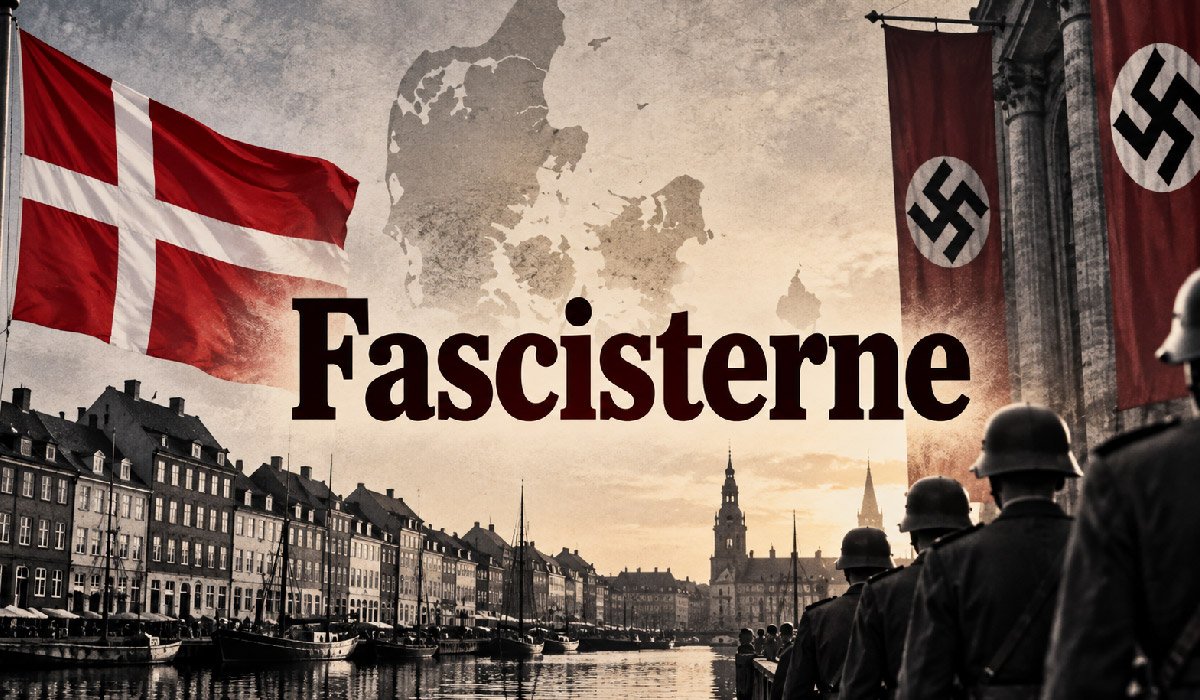
You may come across the word fascisterne in a Danish article, history book, political discussion, or social media post. If you do not speak Danish, its meaning may not be immediately clear. Because the word resembles “fascist,” you may also wonder whether it is a historical term or simply an insult.
In straightforward English, fascisterne means “the fascists.” It is a Danish grammatical form used when referring to a definite group of fascists.
The translation is simple, but the history behind the word is much more serious. Fascism became a major political force in 20th-century Europe and was associated with authoritarian rule, extreme nationalism, suppression of political opposition, propaganda, and violence. This guide explains the word, its historical background, its Danish context, and how you can understand it responsibly.
What Is Fascisterne?
Fascisterne is the Danish definite plural form of fascist. The closest English translation is “the fascists.”
That small word “the” is important. In English, you normally place “the” before a noun. Danish can express definiteness by adding an ending to the noun. This means fascisterne refers to a definite group of fascists rather than to the political ideology itself.
You may encounter the word when reading about historical fascist organizations, European politics, World War II, or modern political debates. It can also appear online as a label for political opponents, although that does not mean every such use is historically accurate.
It also helps to separate two related ideas:
- Fascisterne: the fascists, meaning people associated with fascism.
- Fascisme: fascism, meaning the political ideology.
Understanding this distinction can prevent confusion when translating Danish material into English.
Where Does Fascisterne Come From?
To understand fascisterne, you first need to understand the history of fascism.
Modern fascism developed as a political movement in Italy after World War I. Benito Mussolini founded the Fasci Italiani di Combattimento in 1919 and later came to power in Italy in 1922.
Europe at the time was dealing with major political, economic, and social problems. The effects of World War I, political instability, fears about revolutionary movements, and social divisions helped create conditions in which extremist movements could attract supporters.
Fascist movements were not identical in every country. However, historians commonly associate fascism with intense nationalism, authoritarian leadership, hostility toward liberal democracy, political repression, and the idea that collective national interests should take priority over individual political freedoms.
The terminology eventually appeared in different European languages. Danish uses words including fascist, fascisme, and fascisterne when discussing the people and ideology involved.
Main Characteristics Associated With Fascism
There is academic debate about the exact boundaries of fascism, so it is better to look at several characteristics rather than treat one behavior as proof that somebody is a fascist.
Common features associated with historical fascist movements include:
- Extreme nationalism: The nation is presented as more important than individual interests and often as needing renewal or restoration.
- Authoritarian leadership: Political power becomes heavily concentrated around a leader, party, or movement.
- Opposition to liberal democracy: Independent political competition and democratic limits on power may be rejected or weakened.
- Suppression of opponents: Critics, rival parties, journalists, and other opponents can face censorship, intimidation, imprisonment, or violence.
- Propaganda: Political messages, symbols, rallies, and controlled media may be used to build loyalty and influence public opinion.
- Militarism and political violence: Some fascist movements celebrate force, discipline, struggle, and military power.
Not every authoritarian government is automatically fascist. Likewise, one unpopular policy or aggressive politician does not by itself establish fascism. Historical context and the combination of characteristics matter.
Fascisterne and Danish History
The term becomes especially relevant when you read about Denmark during the 1930s and World War II.
Denmark had its own National Socialist organization, Danmarks Nationalsocialistiske Arbejderparti (DNSAP). The party was modeled partly on Germany’s Nazi movement and was led for much of its existence by Frits Clausen.
However, Denmark did not become a fascist state through DNSAP. The party remained electorally limited and never formed the Danish government.
Nazi Germany invaded Denmark on 9 April 1940. The German occupation lasted until May 1945. Denmark’s experience during those years involved government cooperation during part of the occupation, collaboration by some individuals, and resistance by others.
One particularly important chapter occurred in 1943, when a large majority of Denmark’s Jewish population escaped to neutral Sweden with assistance from Danish citizens and resistance networks.
Because of this history, Danish discussions involving fascisterne can carry much more meaning than the literal translation suggests. The word may appear in discussions of fascist organizations, Nazi sympathizers, collaborators, or fascist politics more generally. You need the surrounding context to know exactly whom a writer means.
How Does Fascisterne Work as a Danish Word?
You do not need to understand Danish grammar in depth to recognize the term.
Think of fascisterne as a word that already contains part of what English expresses separately. English says “the fascists.” Danish uses a noun ending to express the definite plural form.
A simplified way to understand the forms is:
- Start with fascist, referring to a fascist.
- Form the plural fascister, meaning fascists.
- Add the definite plural ending to produce fascisterne, meaning the fascists.
This grammatical point is useful because it shows that fascisterne is not a separate political ideology or a special movement called “Fascisterne.” In ordinary Danish usage, it is a form of the noun fascist.
How to Understand Fascisterne When You See It Online
Political language can become confusing quickly online. Instead of assuming what a writer means, you can use a simple checking process.
- Translate the word first. Read fascisterne as “the fascists,” then look at the rest of the sentence before drawing conclusions.
- Identify the context. Check whether the discussion concerns historical fascism, World War II, Danish politics, a particular organization, or a modern political dispute.
- Look for the group being described. A reliable historical article should make reasonably clear who “the fascists” refers to.
- Check supporting evidence. If somebody applies the term to a modern person or movement, look for an explanation of why the label is being used instead of accepting it automatically.
- Separate description from insult. In a history book, the word may be a factual political classification. In an angry comment section, it could simply be name-calling.
This approach lets you understand the word without reacting only to its emotional weight.
Main Benefits of Understanding Fascisterne
You Can Read Danish Historical Material More Clearly
Knowing that fascisterne means “the fascists” immediately gives you useful context. If you encounter it in an article about World War II or European politics, you will have a better idea of what the sentence is discussing.
For example, you will not mistakenly treat Fascisterne as the formal name of a political organization simply because the word is capitalized in a title.
You Can Recognize the Difference Between People and Ideology
Understanding the vocabulary helps you separate fascists from fascism.
This distinction sounds small, but it improves historical accuracy. One term describes people, while the other describes an ideology or political phenomenon.
You Can Judge Online Political Claims More Carefully
Learning the historical meaning gives you a useful standard when you encounter the word in modern arguments.
Rather than assuming every use is correct, you can ask what evidence supports the description. This is particularly helpful on social media, where serious political terms are sometimes used mainly for emotional effect.
Things to Consider Before Using Fascisterne
The biggest limitation is that translation alone cannot tell you what a writer intends.
If a Danish sentence says fascisterne, you know it means “the fascists,” but you still need context to determine which fascists are being discussed. The writer could be referring to historical Italian fascists, Danish fascists, another political movement, or people being described as fascists in a modern debate.
You should also be cautious about using the term yourself as a casual insult. Fascism has a specific and heavily studied historical background. Calling someone a fascist simply because you dislike their opinions can make a discussion less precise rather than more informative.
When the classification matters, look at the person’s or movement’s ideology, goals, methods, and historical context.
Fascisterne Compared With Similar Political Terms
Several related words can easily become mixed together.
Fascisterne means “the fascists.” It is the broad Danish expression for a definite group of people described as fascists.
Nazisterne, by comparison, means “the Nazis.” Nazism refers specifically to the National Socialist movement associated with Adolf Hitler and Nazi Germany. Nazism shared important characteristics with fascism but also placed racial ideology and antisemitism at the center of its worldview.
You may also encounter words such as authoritarian, dictator, and extremist. These terms overlap with some aspects of fascism but are not interchangeable with it. A dictatorship, for example, can exist without following a fascist ideology.
The safest approach is to choose the most precise term supported by the facts rather than treating every form of political repression as the same thing.
Final Thoughts
Fascisterne means “the fascists” in Danish. It is a normal grammatical form, but it carries substantial historical weight because of the political movements associated with fascism and their role in 20th-century European history.
If you encounter fascisterne online, translate it first and then examine the context. Determine who the writer is describing, whether the discussion is historical or modern, and whether the label is supported by evidence.
That simple habit can help you understand both unfamiliar language and political discussions more accurately.
FAQs
Is Fascisterne a Danish word?
Yes. Fascisterne is Danish and can be translated into English as “the fascists.” It is a definite plural form of fascist. You may see it in Danish historical writing, news, political commentary, or discussions about fascism and World War II.
Is Fascisterne the name of a political party?
Not by itself. Fascisterne is an ordinary Danish noun form meaning “the fascists,” rather than the formal name of one specific party. Historical Denmark did have National Socialist and fascist organizations, including DNSAP, but you should not assume the word refers specifically to DNSAP without context.
Is Fascisterne the same as Nazisterne?
No. Fascisterne means “the fascists,” while nazisterne means “the Nazis.” Nazism is generally treated as a particular radical form of fascism associated with Hitler’s National Socialist movement, but the terms are not exact synonyms. Context determines which description is appropriate.
Is it safe to use Fascisterne in normal conversation?
The word itself is simply a Danish political and historical term, but you should use it accurately. It can appropriately describe fascists in a historical discussion. Applying it casually to someone you disagree with may be misleading because fascism has a much more specific historical and ideological meaning.
What should I do if I see Fascisterne on social media?
First, remember that fascisterne means “the fascists.” Then read the complete post and identify whom the writer is describing. Check whether the term refers to a historical group or is being applied to modern politics. For important claims, compare the post with reliable historical or scholarly sources before accepting its characterization.
Trending
-

 Blog2 months ago
Gillingham Shopping Center Emergency: What Really Happened at Hempstead Valley
-

 Blog3 months ago
Tracqueur Explained: How Tracking Devices Work and How to Choose One
-

 Blog3 months ago
Pravi Celer Explained: Meaning, Uses, Benefits, and Growing Tips
-

 Blog3 months ago
Senaven Explained: Meaning, Uses, and What You Should Know