
Blog
Docasu: What It Is, Features, Uses & Alternatives

Published
2 days agoon
By
Kora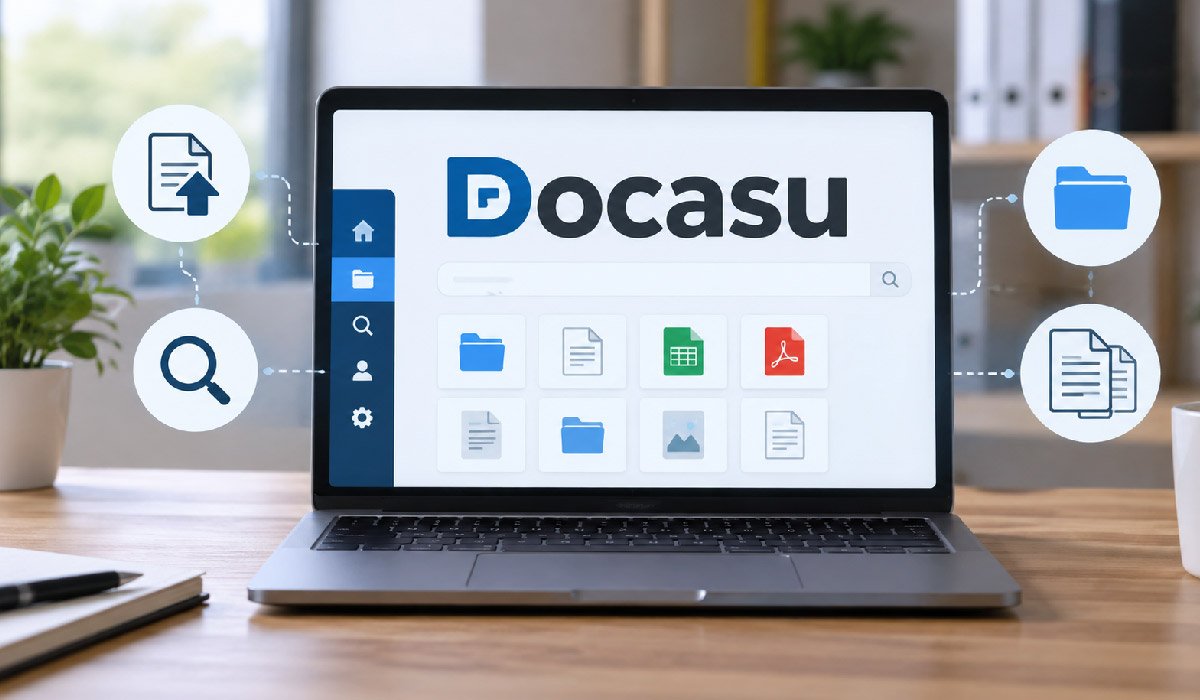
Managing documents inside an enterprise system can become confusing when you only want to perform a simple task. You may need to upload a file, find an old document, or organize a folder, but the software may present many tools and settings you never use. Docasu was designed to address this kind of problem.
Docasu is associated with Alfresco, an enterprise content management system used to store and manage business information. Instead of replacing Alfresco, Docasu provided a simpler interface through which everyday users could work with documents.
Today, Docasu is mainly relevant when researching older Alfresco installations or legacy software. This guide explains what Docasu is, its background, how it was intended to work, its benefits and limitations, and why modern alternatives may make more sense for current projects.
What Is Docasu?
Docasu is an open-source user interface framework created for Alfresco ECM. ECM means enterprise content management, which is software used by organizations to store, organize, search, manage, and control business documents and other digital content.
The basic idea behind Docasu was simplicity. Alfresco offers broad content-management capabilities, but not every employee needs access to every feature. Docasu aimed to give regular business users a more focused way to perform common document tasks.
Think of Alfresco as a large building with many rooms and controls. Docasu was more like a simplified front desk where users could quickly access the services they needed without exploring the entire building.
It may therefore be of interest to IT teams, developers, researchers, or organizations that encounter Docasu while examining an older Alfresco environment.
Background and Origin of Docasu
Docasu was developed by Optaros, a technology consulting company that worked with open-source software and Alfresco implementations. The project was released as open-source software and was hosted on SourceForge, a long-running platform for distributing and developing software projects.
Its purpose reflected an important challenge in enterprise software. A content management platform can offer powerful features while still being difficult for occasional users to navigate. Someone who only uploads a few documents each week may not need the same interface as an administrator managing the whole system.
Docasu attempted to create that simpler layer. Rather than developing another complete document storage system, it worked with Alfresco and focused on making common user interactions easier.
Available information now points to Docasu being a legacy project, rather than a modern interface under active development. Anyone considering it today should therefore verify its status and compatibility before using it.
Main Features and Purpose of Docasu
Docasu was focused on straightforward access to documents stored through Alfresco. Its role can be understood through several core functions associated with its original purpose:
- Simplified interface: It aimed to reduce the complexity business users faced when interacting with Alfresco.
- Document access: Users could work with content without navigating all of Alfresco’s broader management functionality.
- Document search: Finding existing content was part of the simplified document-management experience.
- File uploads: Users could add documents through a more focused browser-based interface.
- Content organization: The interface supported common document-management activities rather than exposing users primarily to administrative tools.
- Alfresco integration: Docasu was designed as a layer for Alfresco rather than as an independent replacement for the underlying ECM platform.
These features mattered because they focused on the tasks an ordinary employee was likely to perform. The idea was not to remove Alfresco’s capabilities, but to make selected capabilities easier to reach.
How Does Docasu Work?
The easiest way to understand Docasu is to separate the backend system from the user interface.
Alfresco provides the underlying content-management environment. It handles the documents and the broader functions needed to manage enterprise content. Docasu sits on top as a user-facing interface designed to simplify interaction with that environment.
Imagine that your organization stores thousands of documents in Alfresco. An employee may simply need to locate a project document or upload a revised file. Instead of working through a more complex interface containing functions intended for advanced users, the employee could use a simpler front end focused on those everyday actions.
That approach can reduce the amount of software knowledge required from casual users. However, because Docasu appears to be a legacy project, its original design should not be taken as proof that it will work correctly with current Alfresco releases.
How to Use Docasu Today
If you have found Docasu in an existing business environment, you should approach it as legacy software rather than assuming it is ready for a new installation.
- Identify the installation. Determine whether Docasu is actually running or is simply mentioned in old documentation, archived files, or configuration records.
- Check the Alfresco version. Find out which version of Alfresco the interface connects to. Compatibility between older software and modern releases should never be assumed.
- Review the project information. Look at available SourceForge records, documentation, releases, and development activity to understand how old the software is.
- Check security and dependencies. Before exposing an old application to users or a network, have qualified technical staff examine its components and possible security risks.
- Test outside production. If you must investigate an old installation, use an isolated test environment when possible. Avoid experimenting directly with important business documents.
For a completely new deployment, starting with currently supported Alfresco tools is generally more practical than building around an old interface.
Main Benefits of the Docasu Approach
A Simpler Experience for Business Users
Docasu addressed a real usability problem: employees often need only a small part of a large enterprise platform.
A focused interface can make common actions easier to understand. For example, an employee searching for a contract may benefit from a screen centered on document access instead of tools intended for administrators.
Less Exposure to Unnecessary Complexity
Enterprise content systems can include many functions because they serve different departments and technical roles. Showing everything to every user can make routine work harder.
The Docasu approach separates everyday document tasks from more advanced system functions. This principle remains useful even if the original software itself is now outdated.
Built Around an Existing Content System
Docasu did not require organizations to think of it as a completely separate content-management platform. It was designed around Alfresco, allowing the underlying ECM system to remain central while offering another way for users to interact with it.
For organizations already using Alfresco at the time, this could provide a more approachable path for selected users.
Possible Limitations and Things to Consider
The biggest concern with Docasu today is its age and apparent lack of active maintenance. Older software may depend on technologies, browser behavior, libraries, or Alfresco versions that have changed significantly.
Security is another important concern. An old open-source project is not automatically unsafe, but software that is no longer maintained may not receive fixes for newly discovered vulnerabilities. That makes a proper technical review important before continued business use.
You should also consider support. If something breaks, you may not have an active development team, current documentation, or a large community available to solve the problem.
There is also no reason to assume that Docasu will work with a current Alfresco deployment simply because it was originally created for Alfresco. Check the exact software versions, dependencies, authentication methods, and technical requirements before making a decision.
Docasu Compared With Modern Alternatives
The most relevant comparison is between Docasu and currently supported Alfresco interfaces.
Both approaches aim to give users access to content managed within Alfresco. The major difference is their place in the software lifecycle. Docasu comes from an earlier period of Alfresco development, while current Alfresco tools are designed around more recent platform requirements.
A legacy organization may still care about Docasu because an existing system depends on it. In that case, understanding the software can help during an audit, migration, or replacement project.
For a new deployment, current official Alfresco documentation should be your starting point. An actively supported solution is generally easier to maintain, secure, update, and integrate with current systems than an older third-party project.
Other modern document-management platforms may also be worth considering if you are not committed to Alfresco. Your choice should depend on requirements such as document workflows, permissions, search, integration, deployment model, security, and long-term support.
Why Docasu Still Matters for Legacy System Audits
You may encounter Docasu without intentionally looking for document-management software. An old configuration file, internal manual, server, or software inventory may contain its name.
In that situation, your first job is to discover whether it still performs an important function. Find out what system it connects to, which employees use it, what information passes through it, and what would happen if it stopped working.
This process is important with any undocumented legacy application. Removing an unfamiliar component without understanding its dependencies can disrupt business processes, while leaving obsolete software running indefinitely can create maintenance and security concerns.
Document what you discover. A clear record of the software’s purpose, dependencies, users, and replacement plan can make future upgrades and audits much easier.
Final Thoughts
Docasu was created as an open-source interface for Alfresco that focused on making common document-management tasks more approachable for everyday business users. Its design addressed a familiar enterprise software problem: users often want a simple way to find, upload, and manage files without learning every feature of a larger ECM platform.
Its historical purpose is clear, but its current suitability is a different question. Available information indicates that Docasu should be treated as legacy software, so compatibility, maintenance, dependencies, and security need careful evaluation.
If you discovered Docasu in an existing environment, identify how it is being used before changing anything. If you are planning a new document-management system, review Alfresco’s current documentation and actively maintained alternatives before choosing your interface.
FAQs
What is Docasu used for?
Docasu is an open-source user interface framework associated with Alfresco ECM. It was designed to give business users a simpler way to perform common document tasks, such as accessing, searching, uploading, and organizing content, without dealing with the full complexity of the underlying enterprise content management interface.
Is Docasu free to use?
Docasu was released as an open-source project. However, that does not mean a current deployment would have no costs. Running legacy software can involve technical assessment, hosting, maintenance, migration, security work, and Alfresco-related requirements. Check the project’s applicable license and your current platform requirements before using it.
Is Docasu easy to use?
Ease of use was central to Docasu’s purpose. It was intended to make common Alfresco document tasks more accessible to ordinary business users. However, installing or maintaining an old software project can be a very different matter and may require technical knowledge, especially when dealing with newer systems.
Is Docasu safe for a modern business environment?
Its safety should not be assumed. Because Docasu appears to be a legacy project without clear current maintenance, an organization should review its code, dependencies, server environment, access controls, and compatibility before continued production use. Current security requirements may differ greatly from those that existed when it was developed.
What should I use instead of Docasu?
If you currently use Alfresco, start with its official documentation and supported user-interface options. If you are selecting a new document-management platform, compare actively maintained solutions based on your security, search, workflow, permissions, integration, and support requirements rather than choosing a legacy interface solely because it once worked with Alfresco.
Blog
Witelovers: Meaning, Lifestyle Ideas, Benefits, and How to Use It
Published
8 hours agoon
September 9, 2026By
Kora
A room can look perfectly normal and still feel tiring. Too many objects, busy colors, piles of clothes, and things without a proper place can make your surroundings harder to enjoy. You may simply want your home, wardrobe, or daily routine to feel a little calmer. This is where Witelovers comes in.
The term is used online in connection with simple spaces, neutral colors, minimalism, organized living, and intentional choices. However, there does not appear to be one widely accepted official definition or a recognized organization that controls what Witelovers means.
Instead of treating it as a strict design system, it is more useful to think of Witelovers as a flexible aesthetic and lifestyle idea. Here is what that can mean in everyday life and how you can adapt it to suit you.
What Is Witelovers?
Witelovers is an informal online term generally associated with clean aesthetics, minimalist living, neutral colors, and organized spaces. Depending on how someone uses the word, it can describe home décor, fashion, photography, personal organization, or daily routines.
The basic idea is easy to understand: reduce unnecessary visual noise and give more attention to the things you actually use or enjoy.
For example, instead of filling a living room with decorations, you might keep a few meaningful pieces and leave more open space. In your wardrobe, you could choose clothes that work well together rather than buying items simply because they are currently popular.
Witelovers may appeal to you if you enjoy simplicity but do not want a complicated set of design rules. You can borrow individual ideas without changing your entire home or lifestyle.
Why Is Witelovers Becoming Popular?
There is no clearly documented origin story for Witelovers that can safely be presented as fact. The term appears in online lifestyle and aesthetic discussions, but claims about a specific creator, company, or formal movement should be treated cautiously unless reliable evidence becomes available.
The ideas associated with Witelovers are easier to explain. Minimalist interiors, neutral fashion, decluttering, self-care, and carefully organized spaces are already familiar themes in online lifestyle content.
Visual platforms can make these ideas especially noticeable. A bright bedroom, simple outfit, organized desk, or uncluttered kitchen is easy to communicate through a photograph or short video.
Witelovers also offers flexibility. You do not have to follow one designer, purchase particular products, or completely redecorate your home. You can simply take the parts that make your surroundings more comfortable and practical.
Main Features of the Witelovers Style
There is no official Witelovers checklist. Still, several features are commonly associated with the way the term is used.
- Neutral colors: White, cream, beige, gray, and other muted shades can create a simple background and are easy to combine.
- Less clutter: Surfaces are generally kept fairly clear instead of being covered with objects. The aim is practical organization, not an empty home.
- Simple furniture: Useful pieces with straightforward shapes fit the aesthetic better than adding furniture purely for decoration.
- Natural light: Open curtains and unobstructed windows can make rooms appear brighter without adding more objects.
- Natural materials: Wood, linen, stone, cotton, plants, and woven materials can add texture and warmth to neutral surroundings.
- Intentional choices: Instead of automatically adding more possessions, you consider whether an item is useful, meaningful, or suitable for your space.
- Simple routines: The same approach can extend to clothing, workspaces, personal organization, and everyday habits.
These features are guidelines rather than requirements. Your home can contain bright artwork or family photographs and still use Witelovers-inspired ideas.
How Does Witelovers Work?
Witelovers works mainly through simplification. You identify areas that feel crowded or difficult to manage, remove what you do not need, organize what remains, and create a visual style that feels comfortable to you.
Imagine your desk is covered with papers, cables, cups, notebooks, and objects you rarely use. A Witelovers approach would not require you to buy a new desk. You might first remove rubbish, file the papers, store occasional items, organize the cables, and leave only the things you use regularly.
You can then make small visual changes if you want. A simple lamp, neutral storage box, or plant might be enough.
The important part is function. The space should become easier for you to use rather than simply looking good in a photograph.
How to Use Witelovers Ideas in Your Life
You do not need a large budget or a complete makeover. Start with a manageable area and see whether the approach suits you.
- Choose one small space. Start with a desk, bedside table, wardrobe section, or kitchen counter. Working on one area prevents the project from becoming overwhelming.
- Remove unnecessary items. Take everything out and decide what you actually use. Donate, sell, recycle, discard, or relocate items where appropriate rather than hiding everything in another room.
- Organize what remains. Give frequently used belongings an easy-to-reach place. Storage should make everyday tasks simpler, not create a complicated system you will struggle to maintain.
- Simplify the colors. If you enjoy the Witelovers appearance, use neutral shades as your base. You do not need to replace useful belongings just because their colors do not match.
- Add warmth carefully. Try wood, fabric, plants, photographs, books, or another personal item. This can prevent a simple room from feeling impersonal.
- Create an easy reset routine. Spend a few minutes putting things back after using them. Small regular resets can be easier than waiting for clutter to become a major cleaning project.
Main Benefits of Witelovers
A More Manageable Home
Reducing unnecessary belongings can make rooms easier to organize and clean. You also spend less time moving objects around when you need to wipe a table or find something.
For example, a kitchen counter containing only regularly used appliances gives you more usable preparation space than one covered with rarely used equipment.
A Cleaner Visual Style
If you dislike busy interiors, Witelovers provides a straightforward way to simplify what you see. Neutral backgrounds and fewer decorative objects can create a more consistent appearance.
You can still keep personality in the room. A favorite painting, colorful cushion, or collection can stand out more clearly when it is not competing with dozens of other items.
More Thoughtful Buying
Witelovers can encourage you to think before adding something new. Instead of asking whether an item is attractive on its own, you can ask whether you need it, have room for it, and expect to use it.
This does not mean you must stop shopping. It simply makes usefulness and personal value part of the decision.
Easier Everyday Routines
Good organization can remove small obstacles from daily tasks. If your keys always have one place, clothes are easy to find, and your desk is ready for work, you have fewer things to sort out before getting started.
The benefit comes from the system rather than the color scheme. A white storage box is not useful if you cannot remember what you put inside it.
Possible Limitations and Things to Consider
Witelovers will not suit every person or every household. If you enjoy bold colors, large book collections, layered decorations, or highly personal interiors, a strongly minimalist approach may feel restrictive.
White and very light materials can also show stains and marks easily. If you have young children or pets, washable fabrics and durable surfaces may be more practical than choosing items purely for their appearance.
Cost depends entirely on how you approach the idea. Replacing furniture, flooring, paint, and decorations could become expensive, but none of that is necessary simply to adopt a simpler style. Organizing and rearranging what you already own can cost little or nothing.
Be cautious about treating an online aesthetic as a standard your home must meet. Real homes contain cables, dishes, toys, paperwork, laundry, and other signs of everyday life. Witelovers should make your space work better for you, not turn normal living into a source of pressure.
Witelovers vs. Other Lifestyle and Design Approaches
Witelovers overlaps strongly with minimalism. Both favor reducing unnecessary possessions and creating simpler surroundings. Minimalism, however, is a much broader and better-established concept, while Witelovers is an informal online term whose meaning can vary.
It also has similarities to Scandinavian-inspired interiors, which often use simple forms, practical furniture, lighter colors, and natural materials. Scandinavian design, however, has specific cultural and design history and should not simply be treated as another name for Witelovers.
You might also compare Witelovers with the broader white or neutral aesthetic seen in fashion, photography, and interiors. That approach can focus heavily on appearance, while Witelovers is sometimes used more broadly to include organization, routines, and intentional consumption.
If you love color and collections, you do not have to choose between extremes. You can keep the possessions and colors that express your personality while borrowing useful ideas such as clear surfaces, practical storage, and more thoughtful purchasing.
Final Thoughts
Witelovers is best understood as a flexible online idea associated with simplicity, neutral aesthetics, organization, and intentional living. Because the term has no clearly established official definition, you should be cautious about sources that present rigid rules or an unsupported origin story.
You also do not need a perfectly white home to make the idea useful. Start with one area that regularly feels cluttered, organize it using what you already have, and see whether the change makes daily life easier. Keep what works for you and leave the rest.
FAQs
Is Witelovers suitable for everyone?
Not necessarily. Witelovers may suit you if you enjoy simple surroundings, neutral colors, and organized spaces. If you prefer bold interiors, collections, or lots of visual detail, you may find the aesthetic too restrained. You can still borrow practical ideas such as decluttering and better storage without adopting the full look.
Is Witelovers expensive to follow?
It does not have to be. You can begin by cleaning, decluttering, rearranging furniture, opening curtains, and organizing possessions you already own. Costs increase only if you decide to buy new furniture, paint, storage, or decorative items. There is no known official Witelovers product range that you need to purchase.
Is it difficult to create a Witelovers-inspired home?
The basic approach is simple, although maintaining an organized space takes regular effort. Starting with one drawer, shelf, desk, or corner is usually more practical than changing your entire home at once. Focus first on usefulness and organization, then make visual changes if you still want them.
Are there any drawbacks to Witelovers?
Yes. Very light surfaces may show dirt and stains more easily, and a highly minimal room can feel plain to people who prefer more color or decoration. You may also feel unnecessary pressure if you compare your real home with carefully staged social media images. Treat the aesthetic as inspiration rather than a rule.
What results can I expect from using Witelovers ideas?
Your results depend on what you change and what you personally find comfortable. Decluttering can give you more usable space, while practical organization can make belongings easier to find and rooms easier to maintain. The realistic goal is not a perfect home. It is a space that feels simpler and works better for your everyday needs.
Blog
Smoothiepussit: A Simple Guide to Smoothie Packs and Pouches
Published
8 hours agoon
September 9, 2026By
Kora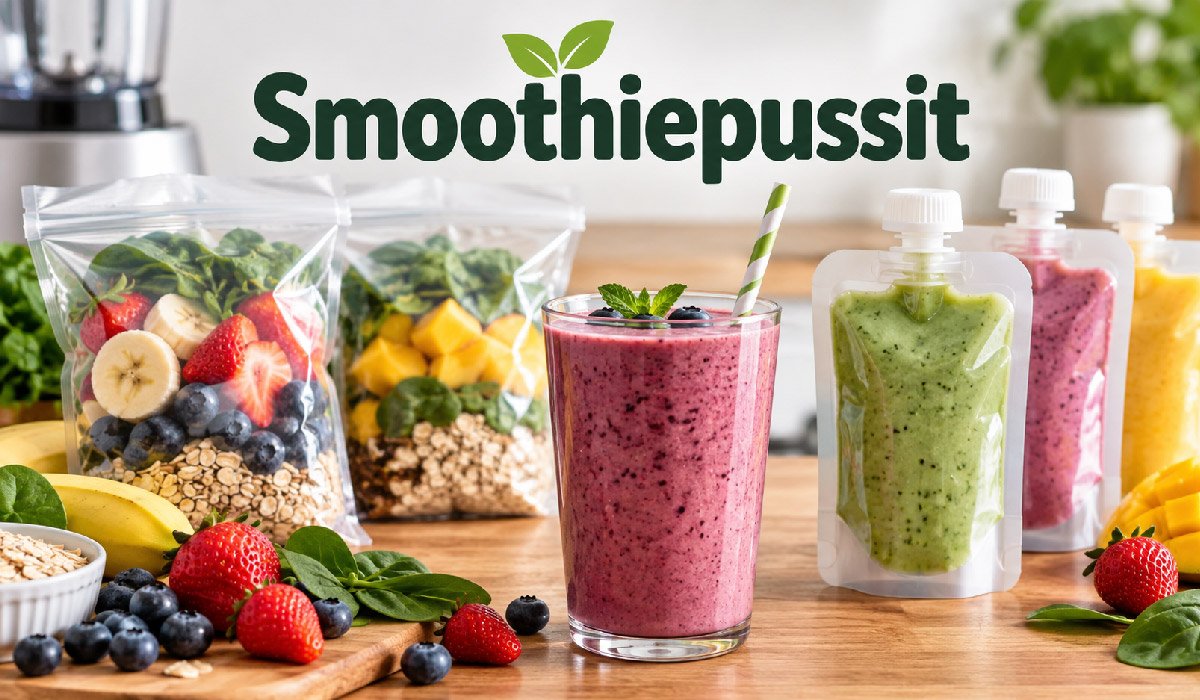
Making a smoothie sounds easy until you have to wash fruit, chop ingredients, measure everything, blend it, and clean up afterward. If you are rushing to work, packing a school lunch, or trying to eat something after exercise, that extra preparation can be inconvenient. That is where Smoothiepussit comes in.
The term is commonly associated with smoothie ingredient packs, reusable smoothie pouches, and ready-to-eat smoothie products. Although there is no single official definition, the basic idea is straightforward: make smoothies easier to prepare, store, carry, or eat.
Below, you will learn what Smoothiepussit means, the common types, how to use them, their possible benefits, and what to consider before making or buying them.
What Is Smoothiepussit?
Smoothiepussit is an informal term used online for different types of smoothie bags, packs, and pouches. The name is often explained as a combination of “smoothie” and the Finnish word “pussit,” meaning bags or pouches.
Depending on the context, Smoothiepussit may refer to ingredients portioned into bags for later blending or to pouches containing an already prepared smoothie. Commercial smoothie pouches may also fall under the term.
Think of it as meal preparation specifically designed for smoothies. You do some or all of the work beforehand, making the smoothie quicker to prepare or easier to take with you.
This approach may appeal to families, students, office workers, travelers, and active people who want a convenient snack or drink.
Why Is Smoothiepussit Becoming Popular?
There is no clearly established history that identifies Smoothiepussit as one specific brand, invention, or standardized product. Instead, the term appears to describe several related ways of preparing and packaging smoothies.
The appeal is largely practical. Preparing ingredients in advance means you do not have to start from scratch every time you want a smoothie.
Reusable pouches also make prepared smoothies portable. They can be useful for school lunches, work breaks, trips, or other situations where carrying a blender or drinking from an open glass would not be practical.
Main Types of Smoothiepussit
Because Smoothiepussit has no fixed definition, you may come across several versions:
- Pre-portioned ingredient packs: Fruit, vegetables, oats, seeds, or similar ingredients are divided into individual portions. You add liquid and blend them when needed.
- Reusable smoothie pouches: You make the smoothie first and transfer it to a washable, food-safe pouch for serving later.
- Ready-to-eat pouches: Commercial products contain a prepared smoothie or fruit-based mixture. Storage requirements vary between products.
- Frozen smoothie packs: Suitable ingredients are portioned and frozen, helping you prepare several smoothies in advance.
The best option depends on whether you value control, speed, portability, or minimal preparation.
How Smoothiepussit Work
The process can be very simple. Suppose you normally make a smoothie with banana, berries, spinach, oats, and yogurt.
Instead of measuring the fruit, vegetables, and oats every morning, you can divide them into individual packs ahead of time. When you want a smoothie, empty one pack into your blender, add yogurt and enough liquid, then blend.
A reusable pouch works in the opposite order. You blend the complete smoothie first and then put it into a clean food-safe pouch. This gives you something portable that can be stored appropriately until you are ready to eat or drink it.
Commercial versions require even less preparation because the manufacturer has already made and packaged the product. You simply follow the storage and serving directions on its label.
How to Use Smoothiepussit
1. Choose Your Ingredients
Start with fruit such as banana, berries, mango, peach, or pineapple. You can add vegetables such as spinach, carrot, cucumber, or kale if you enjoy them.
For a more filling smoothie, consider oats, yogurt, milk, soy products, seeds, or nut butter. Take allergies and individual dietary needs into account.
2. Prepare Individual Portions
Wash and prepare fresh ingredients as needed. Divide them into portions suitable for one smoothie.
If you plan to freeze the packs, use ingredients that handle freezing well. Keep liquids separate until blending unless your particular recipe is designed differently.
3. Store Them Properly
Place your prepared packs in suitable food-storage bags or containers. Refrigerate or freeze them according to their ingredients and how soon you plan to use them.
For commercial Smoothiepussit, follow the manufacturer’s storage instructions rather than assuming every pouch needs the same treatment.
4. Add Your Liquid
Put one ingredient pack into your blender and add water, milk, yogurt, coconut water, or an unsweetened plant-based drink.
Start with a smaller amount of liquid. You can always add more if your smoothie is too thick.
5. Blend and Serve
Blend until you reach the texture you prefer. Drink the smoothie immediately or transfer it to a clean food-safe pouch if you plan to take it with you.
If the smoothie contains perishable ingredients, keep it properly chilled rather than leaving it at room temperature for extended periods.
Main Benefits of Smoothiepussit
Faster Smoothie Preparation
Preparing several portions at once can save work during busy mornings. Instead of chopping and measuring five separate times during the week, you can handle much of the preparation in one session.
You still need to blend ingredient packs, but the daily process becomes shorter.
Better Control Over Ingredients
Homemade Smoothiepussit allow you to decide exactly what goes into your smoothie. You can adjust the fruit, vegetables, protein sources, liquid, and portion size according to your preferences.
This can also make it easier to avoid unnecessary added sweeteners. Ripe fruit may provide enough sweetness on its own.
Convenient Portability
A prepared smoothie in a suitable reusable pouch is easier to carry than a blender jug or open cup. That can be useful for school, work, travel, or outdoor activities.
You still need to consider food safety. A portable container does not remove the need to keep perishable foods at an appropriate temperature.
Easier Nutritional Variety
Smoothiepussit can help you combine several types of foods in one serving. For example, you might use berries, spinach, oats, Greek yogurt, and chia seeds together.
The nutritional value depends on your actual recipe, however. The Smoothiepussit format itself does not make a smoothie healthy.
Possible Limitations and Things to Consider
Smoothies can vary greatly in nutritional content. A pouch made mostly from sweetened juice and fruit puree is different from one containing whole fruit, vegetables, protein, and fiber-rich foods.
Portion size also matters. Large amounts of fruit, nut butter, juice, sweeteners, or other energy-dense ingredients can quickly make a smoothie more substantial than you intended.
If you buy ready-made Smoothiepussit, check the ingredient list and nutrition information. Consider serving size, added sugar, fiber, protein, allergens, and storage requirements.
Reusable pouches require careful cleaning as well. Food can remain around openings, seals, and corners, so follow the manufacturer’s cleaning instructions.
Finally, smoothies do not need to replace whole fruits, vegetables, or balanced meals. They can simply be one convenient part of a varied diet.
Smoothiepussit vs Other Options
Smoothiepussit are only one way to enjoy fruit, vegetables, and other smoothie ingredients.
Freshly made smoothies offer plenty of flexibility because you choose everything immediately before blending. The disadvantage is that preparation and cleanup happen every time.
Whole fruit and vegetables require no blender and offer a different eating experience because you chew them rather than drink them. They remain an important part of a varied diet even if you regularly enjoy smoothies.
Ready-made smoothie bottles and pouches provide maximum convenience but less control over the recipe. Their ingredients and nutritional profiles can differ considerably, so checking the label is useful.
Homemade Smoothiepussit sit somewhere in the middle. They require preparation upfront but give you more control over ingredients than most ready-made products.
Final Thoughts
Smoothiepussit is a flexible term generally associated with pre-portioned smoothie packs, reusable smoothie pouches, and prepared smoothie products. The common theme is convenience: they can make smoothies faster to prepare or easier to carry.
Whether Smoothiepussit is a healthy choice depends on what is actually inside. Pay attention to ingredients, serving size, protein, fiber, added sugar, allergies, and safe storage rather than judging a product simply by the smoothie label.
If you want to try the idea, start with one simple homemade recipe. Prepare a few portions using ingredients you already enjoy, store them safely, and see whether the format makes your routine easier.
FAQs
Are Smoothiepussit Suitable for Everyone?
Smoothiepussit can suit many adults and children because recipes and serving sizes are easy to adjust. However, individual allergies, dietary requirements, medical needs, and age should be considered. For children, smoothies are best treated as one part of a varied diet rather than a replacement for whole foods and regular balanced meals.
How Much Do Smoothiepussit Cost?
There is no standard price because Smoothiepussit can refer to homemade ingredient packs, reusable pouches, or commercial products. Homemade costs depend on the ingredients and containers you choose. Ready-made products vary by manufacturer, package size, ingredients, and retailer, so comparing the actual product price and serving size is more useful.
Are Smoothiepussit Easy to Make at Home?
Yes. One simple approach is to portion fruit, vegetables, oats, or seeds into individual packs and refrigerate or freeze them appropriately. When you want a smoothie, put one portion in your blender, add your preferred liquid, and blend. You can also transfer a freshly prepared smoothie into a suitable reusable pouch.
Do Smoothiepussit Need Refrigeration?
Fresh smoothies containing perishable ingredients generally need to be kept cold. Frozen ingredient packs should remain frozen until you are ready to use them. Some unopened commercial smoothie pouches may be shelf-stable, but this depends on the product. Always follow the storage and after-opening instructions printed on commercial packaging.
Can Smoothiepussit Be Used as a Meal?
It depends on the recipe and your nutritional needs. A simple fruit smoothie may work better as a snack, while a smoothie containing suitable amounts of protein, fiber, fats, carbohydrates, and energy may be more filling. If you regularly use smoothies as meals, consider the balance of your overall diet rather than relying on the pouch format itself.
Blog
Insoya: What It Is, How It May Be Used, Benefits, and Safety
Published
8 hours agoon
September 9, 2026By
Kora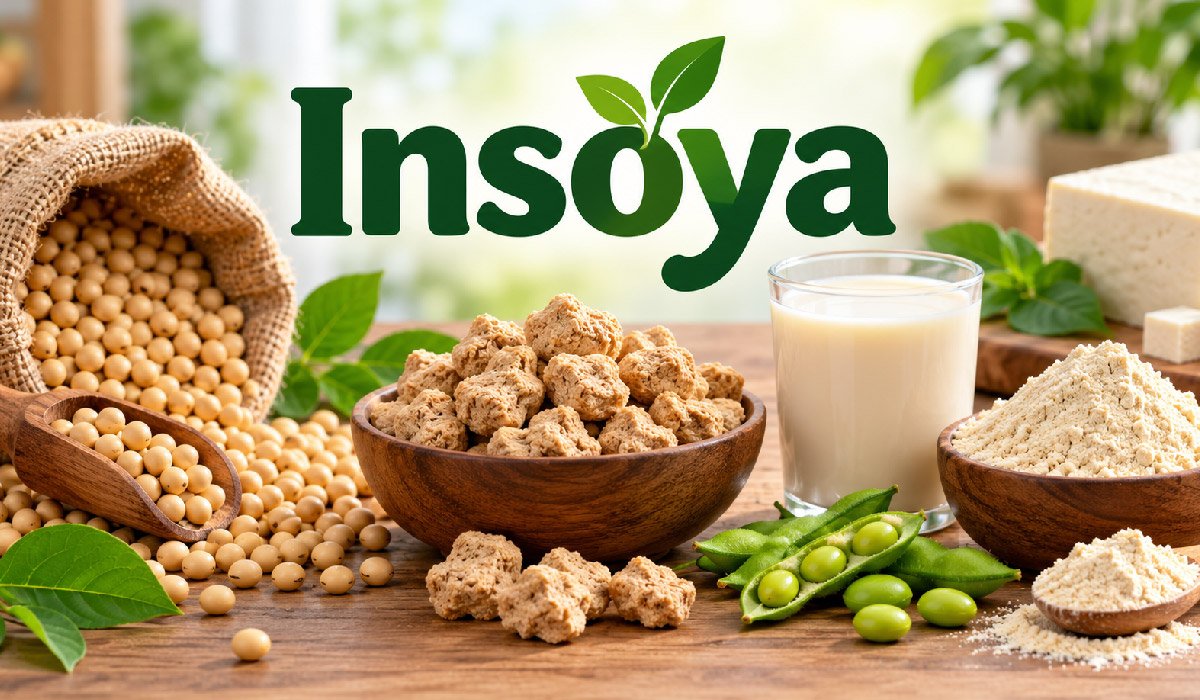
You may have seen the word Insoya in articles about plant protein, vegan diets, soy foods, or meat alternatives and wondered what it actually means. The confusing part is that different websites use the term in different ways. Some describe Insoya as fermented soy, while others use it for soy protein powders, chunks, or other processed foods.
There is currently no widely accepted public standard that defines Insoya as one specific food with one fixed recipe. The safest way to understand it is as an emerging term connected with soy-based nutrition and plant protein. In this guide, you will learn what that means, how products described as Insoya may be used, their possible benefits, and what you should check before buying one.
What Is Insoya?
Insoya is a term used online for foods or ingredients based mainly on soy. Depending on the source or product, it may refer to soy protein chunks, granules, powder, flour, drink mixes, or other processed soy foods.
Think of Insoya as a broad label rather than a clearly defined food such as tofu or tempeh. Tofu has a recognized preparation method, while the word Insoya does not currently tell you exactly how a product was made.
If an Insoya product contains soy protein, it may be useful for vegetarians, vegans, people reducing their meat intake, or anyone looking for another source of protein. Interest in the term is largely connected with the wider popularity of convenient plant-based foods.
Why Is Insoya Becoming Popular?
Soy itself is not new. People have eaten soybeans and foods such as tofu, miso, tempeh, edamame, and soy milk for generations.
What is newer is the way soy is processed and marketed in convenient formats. Protein powders, textured vegetable protein, meat substitutes, fortified drinks, and ready-to-cook plant proteins have made soy easier to add to everyday meals.
The term Insoya appears to fit within this trend. Online articles sometimes present it as a modern or improved soy product, although claims about its exact origin, manufacturer, fermentation method, or formula are not consistently supported.
For that reason, you should judge an Insoya product by what is written on its package rather than assuming that every item using the name is identical.
Common Forms of Insoya and Soy-Based Products
Because Insoya does not have one standard definition, the form you find may vary. Common possibilities include:
- Chunks or granules: These may resemble textured soy protein and can be rehydrated before being added to curries, sauces, wraps, or stews.
- Protein powder: A powdered form may be designed for shakes, smoothies, porridge, or baking.
- Soy flour or baking mixes: These can add soy protein to bread, pancakes, or other recipes.
- Drink products: Some products may be prepared as soy-based drinks or meal mixes.
- Fortified products: A manufacturer may add nutrients such as calcium, iron, vitamin D, or vitamin B12. These nutrients should only be assumed to be present when the label confirms them.
The form matters because a soy drink, protein isolate, chunk, and flour can have very different amounts of protein, fiber, fat, sodium, and other nutrients.
How Does Insoya Work?
There is no single manufacturing process for everything called Insoya. However, soy-based protein foods generally begin with soybeans.
First, the beans are cleaned and processed. Depending on the final food, they may then be dehulled, ground, defatted, cooked, fermented, concentrated, or shaped.
For example, textured soy protein is usually processed to create a dry, porous structure. When you soak or boil it, it absorbs water and becomes softer and chewier. This makes it useful in dishes where you might normally use minced meat or meat pieces.
Some websites claim Insoya is always fermented. Fermentation is a real process used to make foods such as tempeh and miso, but you should not assume that every Insoya product has been fermented unless its manufacturer says so.
The same applies to claims about probiotics. A fermented product does not automatically contain live beneficial bacteria after processing.
How to Use Insoya
How you prepare Insoya depends on the product you buy. Always follow the instructions on its packaging first.
- Check the product form. Find out whether you have chunks, granules, powder, flour, or a drink mix. This tells you how it should be prepared.
- Read the serving directions. Look for recommended amounts, water ratios, soaking times, or cooking instructions. Avoid treating every soy product the same way.
- Prepare chunks before cooking. If your product resembles textured soy chunks, you may need to soak or boil them until soft. Drain them well before adding seasonings or sauces.
- Mix powders gradually. When using a soy protein powder in a shake, porridge, or batter, add it slowly to reduce clumping. Follow the suggested serving size instead of adding large amounts automatically.
- Build a balanced meal. Combine soy protein with vegetables, whole grains, fruit, or other foods rather than depending on one ingredient for all your nutrition.
Main Benefits of Insoya
It Can Provide Plant-Based Protein
If the product is based mainly on soy protein, it can help you meet your daily protein needs. Soy contains all nine essential amino acids, which are amino acids your body cannot make on its own.
This makes soy useful for people who eat little or no animal protein. For example, soy chunks in a vegetable curry can provide a protein-rich alternative to meat.
It Can Make Meat-Free Cooking Easier
Textured soy foods absorb sauces, spices, and other flavors well. That makes them practical in dishes such as tacos, pasta sauces, soups, stir-fries, and curries.
If you are trying to reduce your meat intake, replacing part of the meat in a familiar recipe with soy can be an easier starting point than changing your entire diet.
It May Support a Heart-Conscious Diet
Many plain soy foods are low in saturated fat and contain no dietary cholesterol. They may therefore fit well into a heart-conscious eating pattern when they replace foods that are higher in saturated fat.
This does not mean Insoya treats heart disease. Its usefulness depends on the full meal. A lightly prepared soy dish with vegetables is very different from one cooked with large amounts of salt or saturated fat.
Protein May Help With Fullness
Protein can help you feel satisfied after eating. If an Insoya product also contains fiber, it may contribute further to fullness.
This can be useful when planning balanced meals or managing portions. However, no soy product causes weight loss by itself. Your total food intake, activity, portions, and overall diet still matter.
Possible Limitations and Things to Consider
The biggest limitation is uncertainty. Because Insoya is not a standardized food name, two products using the term may have completely different ingredients and nutrition values.
Soy is also a major food allergen. If you have a diagnosed soy allergy, you should avoid soy-based Insoya products unless a qualified healthcare professional advises otherwise.
Some people experience gas, bloating, or stomach discomfort after eating soy foods, particularly when they suddenly eat a large amount. Starting with a smaller portion may be more comfortable.
You should also watch for added sugar, sodium, oils, or flavorings. A product marketed as plant-based is not automatically nutritionally balanced.
If you take thyroid medication, ask your doctor or pharmacist how to time soy foods around your medicine. Soy can affect the absorption of some thyroid medicines when eaten too close to the dose.
Before buying, ask yourself:
- What are the main ingredients?
- How much protein does one serving provide?
- How much sodium and added sugar does it contain?
- Has it actually been fermented or fortified?
- Does it contain allergens or ingredients you avoid?
- Are nutritional or health claims supported by the label?
Insoya Compared With Other Soy and Protein Foods
Insoya vs Soya Chunks
Soya chunks are normally a form of textured soy protein. They are dry, high-protein pieces that soften when soaked or cooked.
An Insoya product may be similar, but you cannot assume it has extra nutrients, better digestibility, or a different fermentation process without checking the label.
Choose ordinary soya chunks if you want a familiar, straightforward cooking ingredient. Choose a product sold as Insoya only when its specific ingredients or nutritional profile suit your needs.
Insoya vs Tofu
Tofu is made by coagulating soy milk and pressing the curds into blocks. It has a soft or firm texture and contains plenty of water.
A dry soy-protein product is usually more concentrated by weight. Tofu, however, can be simpler to cook because it does not normally need to be rehydrated.
Insoya vs Whey Protein
Whey comes from milk, while soy protein comes from plants. Both can provide all essential amino acids.
Whey may suit people who consume dairy and want a concentrated protein powder. Soy can be more suitable for vegans or people who avoid dairy, although anyone with a soy allergy will need another option.
Insoya vs Pea Protein
Pea protein is another plant-based alternative. People who avoid soy may prefer it.
Soy generally has a well-rounded essential amino-acid profile, while pea protein has a different balance. Your best choice depends on allergies, taste, digestion, price, and how you plan to use the product.
Final Thoughts
Insoya is best understood as a developing term connected with soy-based foods and plant protein rather than one officially defined product. Claims that every Insoya product is fermented, probiotic, fortified, or nutritionally identical should be treated carefully unless the packaging provides clear evidence.
If you want to try Insoya, start with the label. Check the ingredients, nutrition facts, allergen information, serving size, and preparation instructions. Then compare those details with regular soy chunks, tofu, soy protein powder, or other alternatives to decide which option makes the most sense for your diet.
FAQs
Is Insoya suitable for vegans?
An Insoya product made only from soy and other plant ingredients may be suitable for a vegan diet. However, the term itself does not guarantee that every product is vegan. Check the ingredient list for milk, dairy derivatives, or other animal-based ingredients, especially when buying flavored powders or prepared food mixes.
How much does Insoya cost and where can you buy it?
There is no standard price or single confirmed source because Insoya is not one universally defined product. Availability may also differ between countries and sellers. Instead of relying on the name alone, compare soy chunks, soy protein powders, textured vegetable protein, and similar products by price per serving and protein content.
Is Insoya easy to cook with?
It can be, depending on its form. Chunks and granules may need soaking or boiling before cooking, while powders can often be mixed directly into drinks or recipes. The easiest approach is to follow the package directions. Once prepared, textured soy usually works well with strongly flavored sauces, herbs, spices, soups, and curries.
Is Insoya safe to eat regularly?
Many people can include ordinary soy foods regularly as part of a varied diet. However, there is no official recommended intake specifically for Insoya because it is not standardized. Anyone with a soy allergy should avoid soy-based products. People taking thyroid medicine or managing specific medical conditions should follow professional dietary advice.
What results can you expect from adding Insoya to your diet?
If your Insoya product contains a meaningful amount of soy protein, it can help you increase your protein intake and make plant-based meals easier to prepare. It will not automatically cause muscle growth, weight loss, better digestion, or improved heart health. Results depend on your overall diet, activity, portions, and the product’s actual ingredients.
Trending
-

 Blog2 weeks ago
Gillingham Shopping Center Emergency: What Really Happened at Hempstead Valley
-
 Blog2 months ago
Pravi Celer Explained: Meaning, Uses, Benefits, and Growing Tips
-

 Blog2 months ago
Tracqueur Explained: How Tracking Devices Work and How to Choose One
-

 Blog2 months ago
Senaven Explained: Meaning, Uses, and What You Should Know